

2027: Obi, Amaechi, Ezekwesili Join Voices in Demand for Sweeping Electoral Reforms!

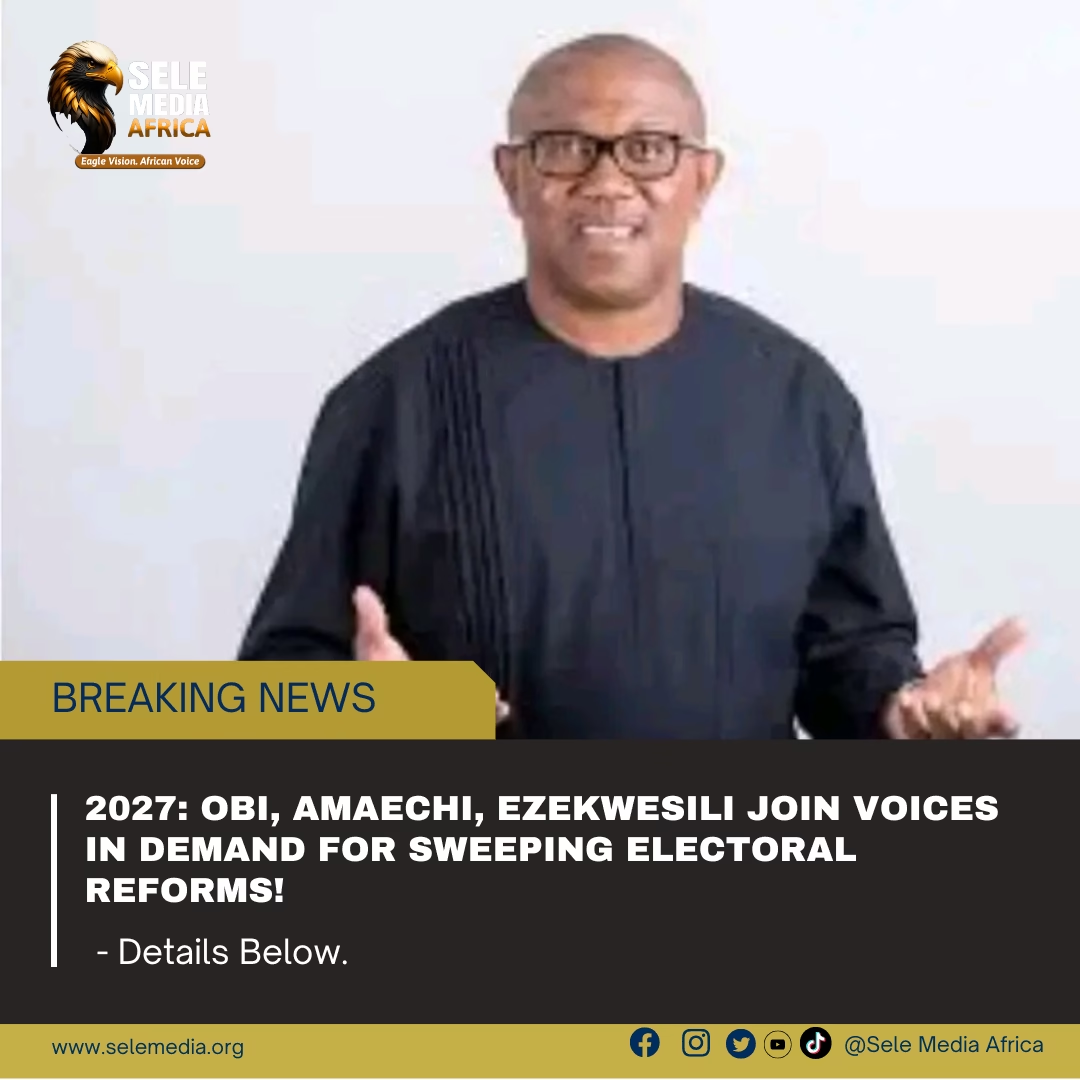
2027: Obi, Amaechi, Ezekwesili Join Voices in Demand for Sweeping Electoral Reforms!
Reported by Opeyemi Marian Fasesan | Sele Media Africa
As Nigeria gears up for the 2027 general elections, a growing chorus of political heavyweights, civil society figures, and reform advocates are pressing for comprehensive changes in the electoral system. These calls aim to rebuild public trust, tighten accountability, and ensure that the 2027 polls are free, fair, and credible.
- Who is Demanding Reform & What They Are Saying
- A coalition led by the National Consultative Front (NCFront) and the Labour & Civil Society Front (LCSF) convened a consultative meeting in Lagos, launching the Alliance for Defence of Democracy (ADD) to spearhead this reform drive. Among the names attached are Oby Ezekwesili, Prof. Pat Utomi, Olisa Agbakoba (SAN), and other civic leaders. They are demanding measures such as mandatory electronic result transmission, criminalisation of vote buying, proportional representation, and reserved seats for women and marginalized groups. [1]
- Rotimi Amaechi, former Minister of Transportation, speaking at a 2027 National Dialogue on Electoral Reforms, expressed skepticism that real reform would occur under the current administration, accusing the present government of lacking seriousness. [2]
- Opposition figures including Peter Obi and Atiku Abubakar have also backed electoral reform initiatives, urging reforms particularly in technology adoption (e.g., electronic collation and result transmission) to reduce manipulation. [3]
- Ohanaeze Ndigbo, the Igbo socio-cultural body, warned that without systemic reform, it will be difficult to dislodge incumbents in 2027, calling on the National Assembly to act quickly in revising electoral laws. [4] Reform Proposals Being Advanced
Some of the specific reforms being proposed by stakeholder:
Result Transmission Full, compulsory electronic transmission of results from polling units to collation centers to minimize tampering [1]
Vote Buying Criminalisation and stiffer penalties for vote buying and inducement [1]
Electoral System Model Adoption of proportional representation, reserved seats for women and vulnerable groups [1]
Diaspora Voting Enabling voting rights for Nigerians abroad
Institutional Independence Overhaul of INEC leadership appointments, shorter tenures, greater insulation from executive interference [5]
Risks, Challenges & What to Watch
- Some critics point out political resistance, especially from those benefiting from the status quo, as a major obstacle.
- The effectiveness of reform depends not just on laws but on implementation: adequate funding, infrastructure, training, security, and enforcement mechanisms will be vital.
- The timeline matters: these reforms must be passed well before the 2027 cycle, allowing institutions time to adapt.
- Judicial challenges may arise over constitutional interpretation, especially for controversial proposals like proportional representation or changes in INEC structure.
Citations:
- The Guardian Nigeria: guardian.ng/politics/prominent-nigerians-rally-for-electoral-reforms-ahead-of-2027-polls/?utm_source=chatgpt.com
- The Guardian Nigeria: guardian.ng/politics/amaechi-says-real-electoral-reform-wont-happen-under-tinubu-govt/?utm_source=chatgpt.com
- Daily Report: dailyreport.ng/atiku-obi-opposition-leaders-urge-electoral-reforms-ahead-of-2027-elections/?utm_source=chatgpt.com
- The Guardian Nigeria: guardian.ng/news/without-electoral-reforms-defeating-tinubu-in-2027-will-be-difficult-ohanaeze/?utm_source=chatgpt.com
- Daily Post: dailypost.ng/2024/11/22/2027-obasanjos-knock-on-inec-reopens-push-for-electoral-reform/?utm_source=chatgpt.com
About The Author

Discover more from Sele Media Africa
Subscribe to get the latest posts sent to your email.


